Meerschaum: Eskişehir's White Gold and Craft Tradition
Everything about the history, craftsmanship tradition, and modern workshops of meerschaum — a mineral mined only in Eskişehir, nowhere else in the world.
Meerschaum (lületaşı) is a white mineral with a porous and soft structure that can be easily worked, mined only in the Eskişehir region worldwide. Used for centuries in the making of pipes, sculptures, and ornaments, meerschaum is not just a stone; it is a symbol of Eskişehir's cultural identity, craft tradition, and unique position in world trade. Nowhere else in the world is meerschaum of this quality found, which is why Eskişehir is known as the "meerschaum capital."
What Is Meerschaum and Why Is It Only Found in Eskişehir?
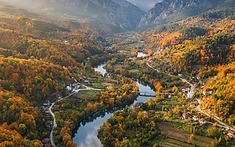
Meerschaum is a type of mineral containing magnesium and silicon. It is found underground, typically at depths of 10-20 meters, between clay layers. When extracted, it is moist and soft; it hardens and whitens as it comes into contact with air. The mines around Eskişehir's Sepetçi, Türkmentokat, and Margıfak villages hold almost the entirety of the world's meerschaum reserves. This unique geological condition makes Eskişehir globally unique in meerschaum craftsmanship.
History
Meerschaum craftsmanship in Eskişehir is known to have been practiced since the 18th century. Pipe production became widespread especially with the demand of European merchants, and Eskişehir became the world's meerschaum pipe center. In the 19th century, meerschaum pipes were in great demand in Vienna, Paris, and London, and this trade became an important source of income during the Ottoman period. The traditional craftsmanship has been passed down from generation to generation to the present day.
The Craft Tradition: From Apprentice to Master
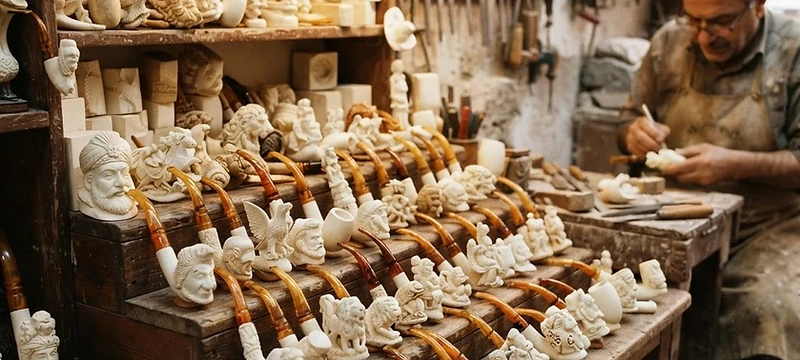
Becoming a meerschaum master requires years of apprenticeship. Each stage — selecting, drying, carving, and polishing the stone — demands patience and experience. During the apprenticeship period, it is essential to learn the nature of the stone, master error-free cutting, and become skilled in pattern drawing. The master, journeyman, and apprentice hierarchy is still maintained today. Third and fourth generation masters continue to keep this tradition alive. Each meerschaum piece carries the touch and years of experience of its maker.
What Is Made from It?
Pipes are the most commonly produced items from meerschaum, but sculptures, necklaces, earrings, prayer beads, ornaments, and souvenirs are also made. Handmade meerschaum pipes have collector's value worldwide. Pipes that whiten as they are handled and darken with use gradually turn an amber color over time — this natural aging is one of meerschaum's most valuable characteristics.
Visitor Tips
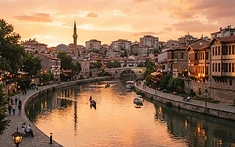
You can visit the workshops in Odunpazarı to watch the craftsmen at work and purchase handmade products. The historic Atlıhan Bazaar is the most important stop where meerschaum workshops are concentrated. The Meerschaum Museum is also one of the must-see stops on the city's cultural route; the museum displays both historical artifacts and details about the production process. During your visit, paying attention to whether the products sold in workshops are certified is the safest way to distinguish genuine meerschaum from imitations.
Frequently Asked Questions
Where can I buy meerschaum?
The workshops in the historic Atlıhan Bazaar in Odunpazarı and the Meerschaum Museum souvenir section are the most reliable addresses.
How do you care for a meerschaum pipe?
It should be protected from hard impacts, wiped with a damp cloth, and kept away from direct sunlight.